Adapting to Change: Strategies for Remodeling Homes in Transitional Neighborhoods Nov 28, 2025
Understanding the distinct nature of transitional neighborhoods is the first step. These areas commonly experience shifts in demographics, economics, and local culture. Therefore, remodeling strategies must be flexible and considerate of potential future changes. Engaging with local trends and being informed about urban development plans can provide insights into the direction the neighborhood is heading, ensuring renovations align with these changes.
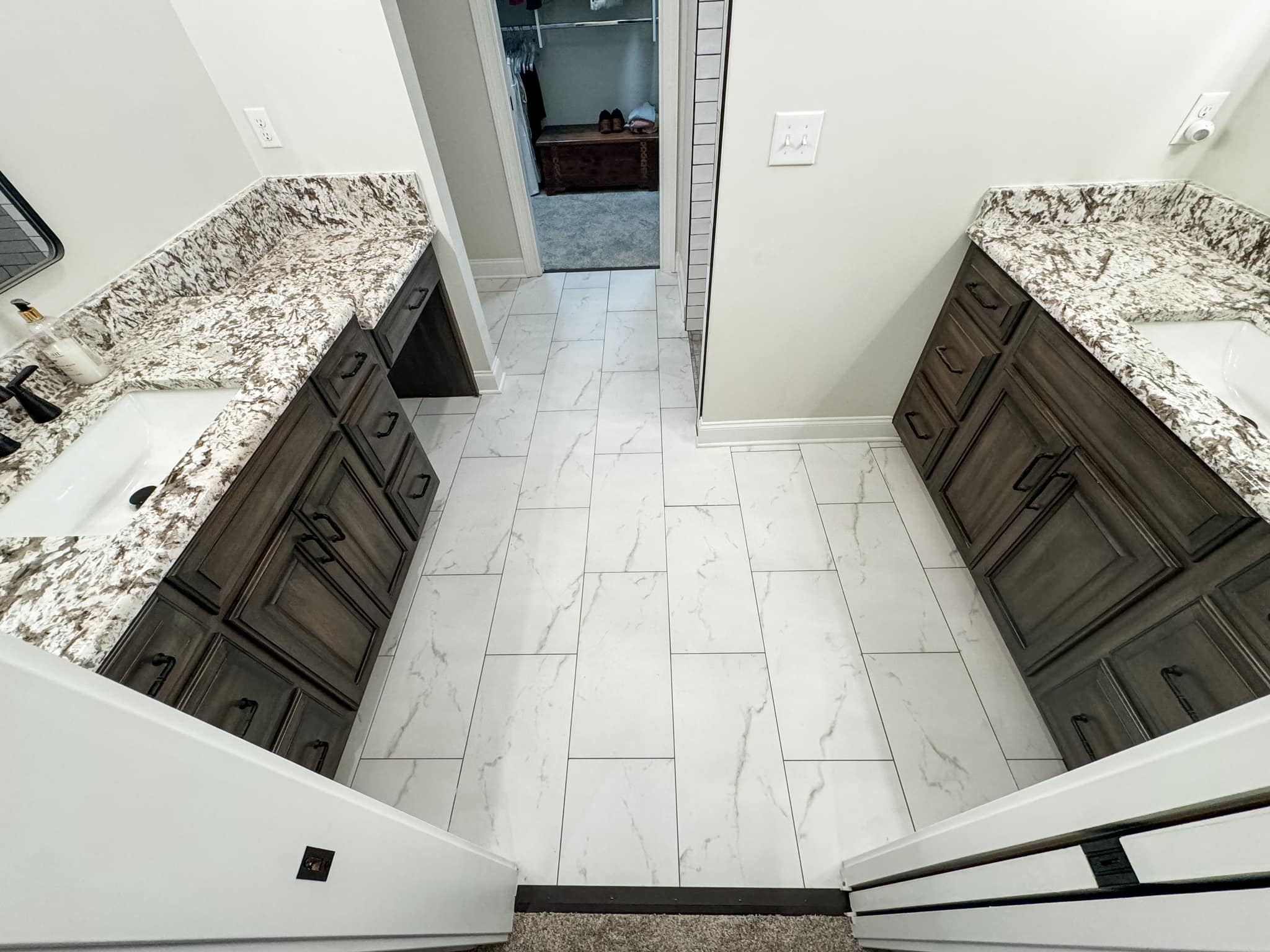
Budgeting plays a crucial role in any remodeling project. Homeowners in transitional neighborhoods should prioritize projects that offer a significant return on investment. Kitchen and bathroom remodels, for instance, frequently yield high returns. Additionally, energy efficiency improvements not only appeal to increasingly eco-conscious buyers but also reduce utility costs, offering immediate and long-term savings.
The concept of adaptability is another cornerstone of successful remodeling in these neighborhoods. Incorporating adaptable design features allows homes to meet the needs of future buyers or accommodate changes in family dynamics. Consider using multi-functional spaces or flexible layouts to maximize usability. Customizable options and easily modifiable structures can also enhance the home's appeal.
Curb appeal cannot be overlooked in transitional settings. An inviting exterior not only attracts potential buyers but can also set a positive tone for the neighborhood's aesthetic transformation. Simple upgrades like fresh paint, well-maintained landscaping, and modern lighting fixtures can make a substantial difference. Collaborating with neighbors on community-wide initiatives such as shared gardens or street beautification projects can further enhance the area’s attractiveness.
For homeowners looking to immerse themselves in their neighborhood’s character, harmonizing modern updates with classic architectural elements is an excellent strategy. This approach respects the area's history while still allowing for personal expression and modernization. For example, preserving historical features such as decorative trims or authentic woodwork while introducing contemporary conveniences can create a unique blend that stands out.
Contractors, like those at Harris Construction Services, bring invaluable expertise to this process. Their understanding of local regulations and familiarity with current trends and materials make them ideal partners in achieving a successful remodeling outcome. Hiring professionals ensures that all renovations meet safety standards and are completed efficiently, mitigating potential future issues.
As with any significant change, clear communication is key. Homeowners should work closely with contractors to convey their vision, ensuring alignment at every stage of the project. Detailed planning and regular updates not only keep projects on track but also help anticipate and solve problems before they escalate.
In conclusion, remodeling homes in transitional neighborhoods can be a rewarding venture with careful planning and strategic execution. By focusing on adaptability, curb appeal, and preserving historical elements, homeowners can enhance their immediate living spaces and contribute positively to their neighborhood’s evolution. With the expertise of seasoned professionals like Harris Construction Services, navigating the complexities of remodeling in transitional areas becomes a seamless process, ultimately resulting in homes that are not just improved, but transformative.
/filters:no_upscale()/filters:format(webp)/media/7add6241-2056-40c2-ba8b-a7ff5155a3f2.jpg)